
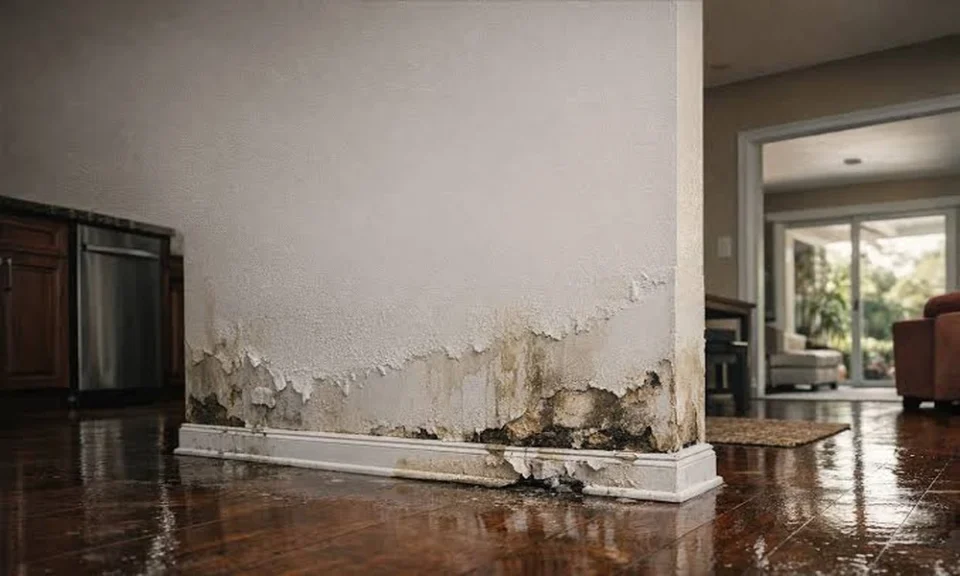
Water rarely shows up at a convenient moment. A washer supply line splits on a Sunday night, a spring hailstorm cracks a few shingles, or a hard freeze bursts a pipe in the attic. Within minutes, water slips under baseboards, soaks into carpet pad and spreads through ceiling drywall. What happens over the next couple of days decides whether the house needs a week of drying or a month of rebuilding.
North Texas homeowners know this cycle well. Severe spring storms, flash flooding and the occasional deep freeze keep restoration crews busy across the region, and local teams such as United Cleaning & Emergency Restoration take water, fire, storm and mold calls from Hurst out across the Dallas Fort Worth area at any hour. Knowing what a trained crew actually does, and what you can safely handle before they arrive, makes those first stressful hours far easier to manage.
Timing is the part most people underestimate. The EPA’s guide to mold and moisture advises drying water damaged areas and items within 24 to 48 hours to prevent mold growth. That window is short, and it starts the moment the leak begins, not the moment someone notices the stain on the ceiling.
Not All Water Is Equal
Restoration professionals sort water into three broad categories, and the category shapes every decision that follows.
Clean water comes from a sanitary source like a broken supply line or an overflowing sink. It carries little risk at first, so carpet, pad and drywall can often be dried in place.
Gray water carries some contamination. Think dishwasher discharge, washing machine overflow or a toilet bowl without waste. Porous items touched by it need more careful judgment.
Black water is the serious one. Sewage backups and outside floodwater fall here, and they can carry bacteria, chemicals and debris. Soaked carpet, pad and insulation usually go straight to the curb.
Here is the catch. Clean water does not stay clean. After a day or two sitting in warm carpet fibers, it can degrade into the gray category. In a Texas summer with the AC struggling, that shift happens faster than many homeowners expect.
What Can You Do Before Help Arrives?
Your first job is safety, not salvage. If water has reached outlets, power strips or the breaker panel, stay out of the wet area and let the utility or an electrician cut power. A sagging ceiling is a warning sign too, since wet drywall can drop without notice.
Once the area is safe, a few simple moves help a lot. Shut off the main water valve if a pipe is the source. Take photos and short videos of every affected room before anything gets moved. Lift furniture off wet carpet and slide aluminum foil or plastic under the legs so stains do not bleed into the fibers. Pull rugs, books and electronics to a dry room.
Skip the household vacuum. It is not built for water and creates a shock risk. Hold off on fans if the water came from a sewer line, because blowing air across contaminated surfaces can spread particles through the house.
How Professional Drying Actually Works
A good crew starts by measuring, not by setting up fans. Moisture meters and thermal imaging cameras show where water has wicked up into walls and under flooring, often well past the visible stain line. That map guides everything else.
Next comes extraction. Truck mounted or portable units pull standing water out of carpet and pad far more effectively than any wet vac. The less water left behind, the faster the structure dries.
Then the drying equipment goes in. Air movers push air across wet surfaces, and low grain refrigerant dehumidifiers pull that moisture out of the air so it does not just settle somewhere else. Technicians check readings each day and adjust the setup until materials return to normal levels. In many homes that takes three to five days.
Sometimes walls need to open up. Crews may cut drywall a foot or two above the waterline, a step called a flood cut, so wall cavities and insulation can dry or be replaced. It looks dramatic, but it is often the cheaper path compared to sealing moisture inside a wall.
Fire and Smoke Bring Their Own Mess
Fire damage rarely stops at the burned room. Smoke travels through hallways, attic spaces and ductwork, leaving soot on surfaces that never saw a flame. Protein residue from a kitchen fire can be nearly invisible and still hold a stubborn odor for months.
There is usually water damage too. The hoses that put out the fire soak drywall and flooring, so fire jobs often blend drying, soot removal, deodorization and air duct cleaning into one project. Wiping soot with a regular household cleaner tends to smear it deeper into paint and fabric, so this is one area where waiting for proper tools pays off.
Storm Damage Often Hides in Plain Sight
Hail and wind can lift shingles or crack flashing without any obvious sign from the street. The first clue might be a faint brown ring on a bedroom ceiling weeks later. By then, attic insulation may be soaked and decking may have started to soften.
After a major storm, crews typically tarp the roof or board up openings first to stop more water from getting in. Flooding is another matter. Ready.gov notes that floods are the most common disaster in the United States, and floodwater that enters a home should always be treated as contaminated.
Cleaning Finishes What Drying Starts
A dry house is not automatically a clean one. Carpet that survived a clean water leak still needs a thorough cleaning and often an antimicrobial treatment. Upholstery, area rugs and drapes may need specialized care depending on their fabric. Tile and grout can trap residue, and pet odors that were never a problem before can suddenly bloom once humidity rises.
Air quality deserves attention as well. Dust from demolition, soot particles and mold spores can settle inside HVAC ducts. If the system ran while the house was wet or smoky, having the ducts inspected keeps that debris from circulating long after the visible work is done.
Keep the Paper Trail Tight
Insurance claims go smoother when the record is clear. Save every photo, receipt and invoice. Ask the restoration company for its drying logs and moisture readings, since adjusters often want proof that drying was done properly. Many policies treat emergency mitigation and later reconstruction as separate pieces, so it helps to understand which stage each bill belongs to.
Water and smoke damage feel overwhelming because so much happens at once. Breaking it into stages makes it manageable. Stop the source, protect yourself, document the scene and get the drying underway inside that first 48 hour window. Everything after that, from cleaning carpets to rebuilding walls, gets easier when those early steps happen fast and in the right order.
